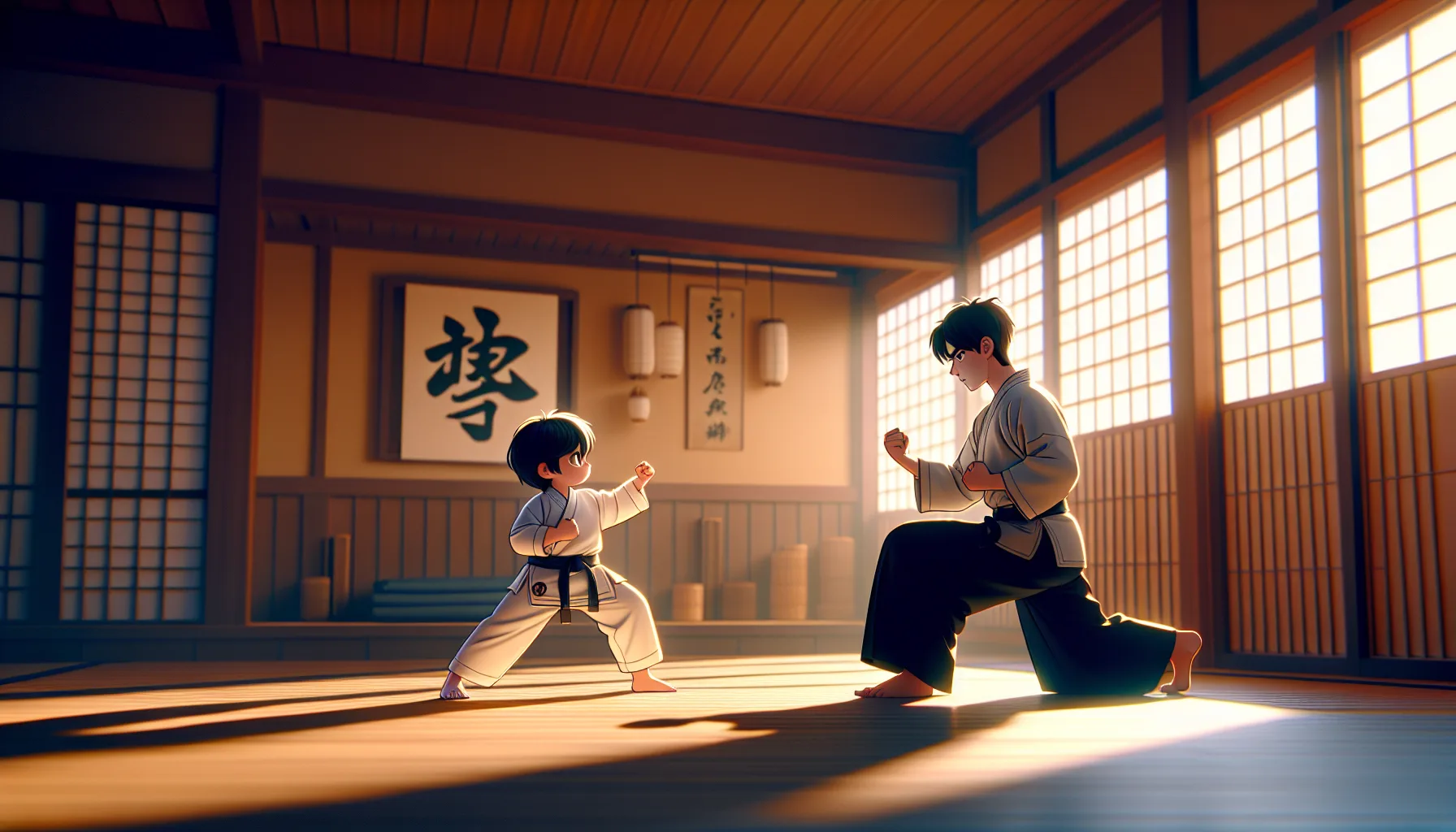
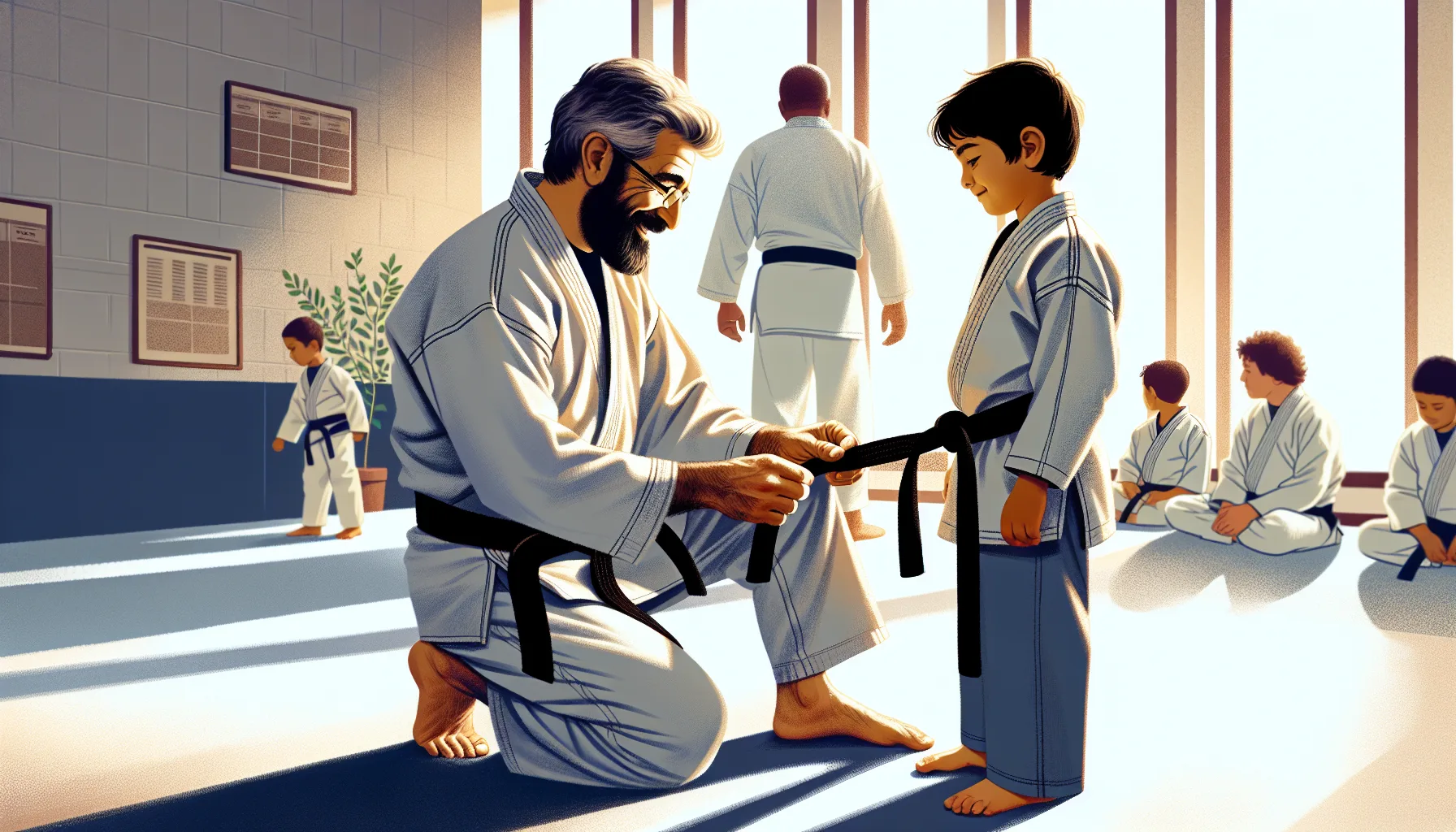
Schoolyard self-defence is mostly not physical. Zen Do Kai builds it in order: noticing a situation developing, using voice and posture to defuse it, leaving when leaving is available, and only then physical technique. Children who train that sequence rarely need the last step.
Every parent who has watched their child walk away from a conflict, shaking, or who has received a call from the school principal, has the same thought: I want them to be able to handle this. I want them to be safe.
That instinct is right. But it is worth being precise about what "handling it" actually means, because the answer is more layered than most people expect, and martial arts training that skips the layers is doing children a disservice.
Is self-defence primarily physical?
This is the most important thing I can say in this article, so I am putting it first.
Real self-defence for a child in a school context is almost never about physical techniques. It is about a cluster of skills that prevent the situation from reaching the point where physical techniques would be needed.
Those skills are: awareness (knowing what is happening around you and reading social dynamics accurately), assertiveness (projecting confidence without aggression), de-escalation (reducing tension rather than escalating it), and decision-making under pressure (not freezing, not over-reacting, choosing an appropriate response).
Physical technique is the last resort, not the first tool. A child who has strong situational awareness and real assertiveness will de-escalate most schoolyard conflicts before they become physical. A child who has poor awareness and low confidence but has memorised some kicks is not well-prepared for self-defence. They are prepared for a very specific situation that may never arise.
The Zen Do Kai curriculum, as we teach it at IAMA, addresses all of these layers in sequence.
Awareness Comes First
The second attribute in our belt progression, after Calmness, is Awareness. That ordering is deliberate.
Awareness, in the self-defence context, means paying attention to your environment without becoming anxious or hypervigilant. It means noticing when something is off: when a group dynamic shifts, when someone's tone changes, when body language signals escalating tension.
Children who train martial arts develop a kind of embodied awareness that is difficult to acquire any other way. Because they spend time in partnered physical training, where reading your partner's intention and position matters in real time, they develop sensitivity to body language and spatial dynamics that non-training peers simply do not have.
This is not a minor benefit. Research on threat recognition consistently shows that reading social and physical signals early, before a situation becomes dangerous, is the single most important self-defence skill. It provides time and options. Without it, you are always reacting.
Assertiveness Without Aggression
There is a version of martial arts training that produces kids who are itching for a fight, who hold a new ability to hurt people and are looking for an excuse to use it. That is a training failure, not a training success.
The Zen Do Kai system, and the way we teach it at IAMA, works hard in the opposite direction. Students learn that the techniques they are developing are for real need, not for dominance. The culture of the dojo, the emphasis on respect, the explicit discussion of when force is and is not appropriate: all of this shapes how students think about their physical capability.
What we aim to produce is assertiveness. Standing tall, making eye contact, speaking calmly and directly, projecting the kind of confidence that makes a would-be bully look for an easier target. That projection is not arrogance. It is the natural consequence of knowing yourself and not being afraid.
Research on bullying behaviour consistently shows that targets are selected based on perceived vulnerability. Children who project vulnerability attract more attention from bullies than children who project confidence. Martial arts training, done right, changes what your child projects.
De-Escalation as a Practised Skill
De-escalation is not just good advice. It is a trainable skill, and we train it explicitly.
Students in the Intermediate and Senior programs work through scenarios that involve verbal confrontation before any physical contact. The question is: can you reduce this situation's temperature? Can you find a response that does not escalate, that gives the other person a way out, that resolves the conflict without anyone getting hurt?
This is harder than it sounds when you are in the middle of it. The body's stress response makes clear thinking difficult. The social dynamics of the schoolyard make backing down feel costly. A child who has only ever practised the physical response to confrontation is likely to either freeze or over-respond when the verbal pressure comes.
Practising de-escalation in a structured training environment builds the neural pathways for it. Students develop a repertoire of verbal responses, they practise managing their own stress response in confrontational situations, and they develop the emotional regulation to choose their response rather than just react.
For more on how we develop emotional regulation and psychological skills alongside physical technique, see our psychological discipline curriculum page.
When Physical Technique Is Necessary
There are situations where awareness, assertiveness, and de-escalation are not enough. Someone who will not be talked down from a physical confrontation. An ambush with no warning. A sustained bullying campaign that requires a decisive physical response to stop.
For these situations, the physical curriculum matters. And this is where the Zen Do Kai system's completeness becomes directly relevant.
A child who only knows kicks will be in trouble in a grappling confrontation. A child who knows only strikes will not know what to do when grabbed. The schoolyard does not respect stylistic boundaries. The Zen Do Kai curriculum builds children who can respond appropriately across the full range of physical scenarios: distance, clinch, and ground.
Equally important: the training builds the ability to perform under stress. Techniques practised in calm, structured drills often degrade sharply when adrenaline enters the picture. At IAMA, we use controlled sparring and scenario-based training to stress-inoculate students, building confidence that what they have learned will actually be available when they need it.
The Confidence That Transfers
The most consistent feedback I hear from parents of our students is not "my child used a technique in a fight." It is "my child is different. They carry themselves differently. They are calmer in difficult situations."
That is what real self-defence training produces. Not a child who is ready for a fight. A child who is much less likely to end up in one, because they are projecting confidence, reading situations accurately, and managing their stress response.
The physical skills are real, and they are there if they are needed. But the psychological skills, the awareness, the assertiveness, the emotional regulation, those do the heavy lifting in day-to-day life.
If you want your child to develop these skills in a structured, expert-guided environment, book a free trial at Inception Academy. The first session costs nothing except the willingness to show up.
Our full curriculum overview details how we sequence these skills from white belt through to black, across all three age groups.