Confidence, assertiveness, and de-escalation
Bullying Prevention
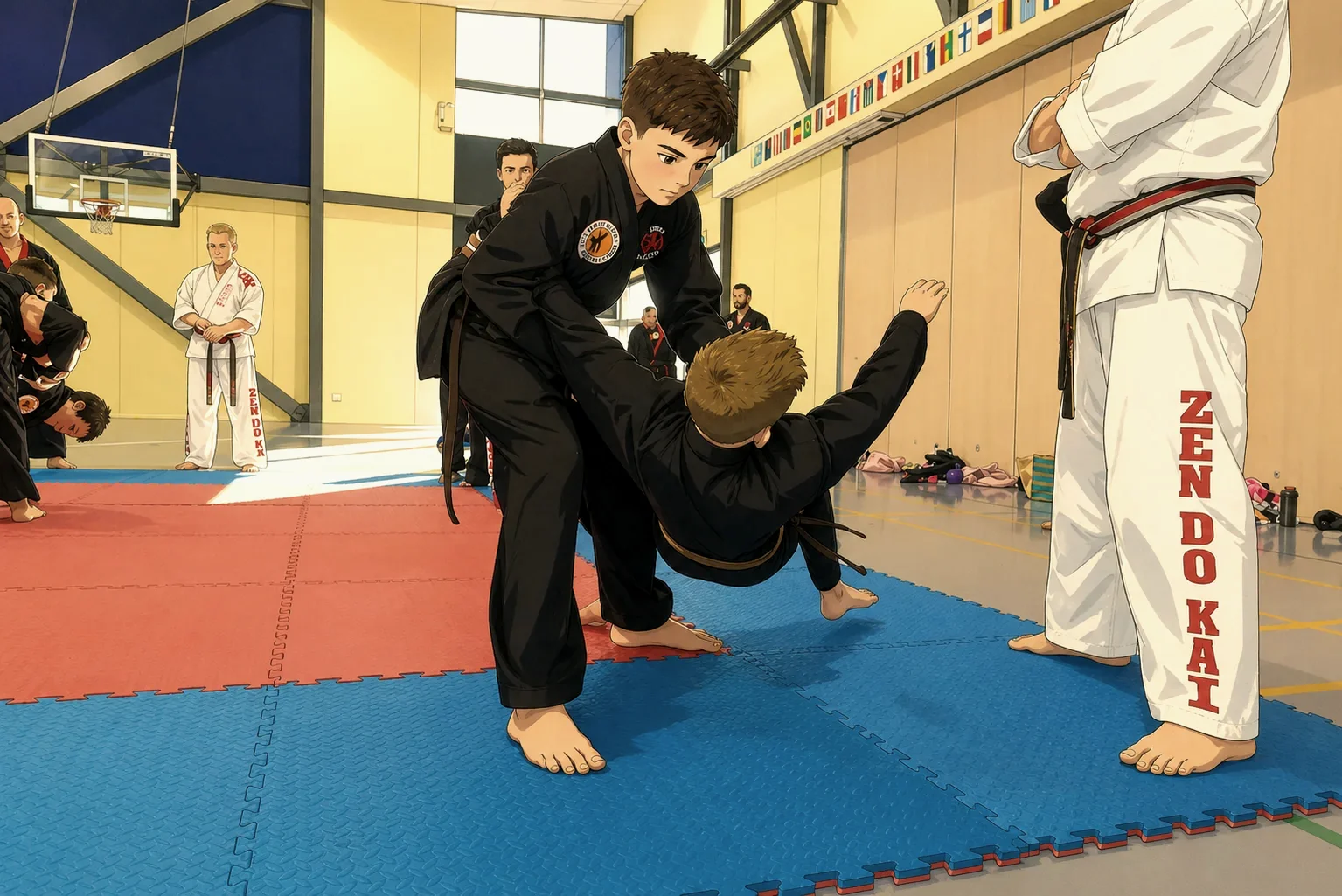
Martial arts is not about teaching children to fight back. It is about building the confidence, assertiveness, and physical capability that make bullying less likely to happen and less damaging when it does.
More than Fighting Back
The complete response to bullying
Teaching a child to fight back is not a bullying prevention strategy. It addresses one narrow physical scenario while ignoring the far more common social and psychological dimensions of bullying. A child who can throw a punch but lacks confidence, calm, or awareness is not protected. They are just a different kind of vulnerable.
IAMA approaches bullying prevention comprehensively. Physical capability is part of it. So is the development of confidence, assertiveness, situational awareness, and de-escalation skills. The IAMA values framework, which maps 12 psychological attributes to belt progression, provides a structured developmental pathway through all of these dimensions.
Six Dimensions of Protection
What IAMA builds in every student
Confidence
Physical competence produces genuine confidence. Children who know they can handle a physical confrontation rarely need to. The posture, presence, and self-assurance of a trained martial artist communicates differently to the world.
Assertiveness
Standing up for yourself and others clearly and directly, without aggression or submission. The dojo teaches children to set and enforce boundaries as a matter of course.
Awareness
Reading situations before they escalate. Recognising the early signs of a threatening dynamic and having the presence of mind to respond before it develops further.
De-escalation
The IAMA values framework begins with Calmness. A calm, confident child has far more options in a difficult social situation than an anxious or reactive one.
Physical Capability
When physical threat is real, the ability to protect oneself is necessary. Zen Do Kai provides practical self-defence skills appropriate to age and grade.
Psychological Resilience
Bullying causes psychological damage regardless of whether it ever becomes physical. The dojo builds resilience through challenge, through adversity in training, and through the support of a community.
Confidence, Not Aggression
Children who train at IAMA develop real physical capability: striking, grappling, self-defence, and contact sparring. This produces a genuine change in how they carry themselves. They are not aggressive. They are confident. The distinction matters, and it is visible to other children.
Research on bullying consistently shows that confident, assertive children are targeted less often than anxious or submissive ones. Physical confidence changes the social dynamic before any confrontation begins. A child who has trained in martial arts for six months looks and moves differently. That difference is protective.
IAMA's values framework reinforces this. Assertiveness is taught alongside technique. Children learn to stand up for themselves and others as a matter of character, not just physical capability.
De-escalation and Awareness
The IAMA values framework begins with Calmness and Awareness at white belt. These are introduced first because they underpin everything else. A calm, aware child can read a social situation, recognise when it is developing badly, and choose a response rather than react automatically.
Children learn in training to notice their own internal state under pressure. When adrenaline arrives, when someone is aggressive, when a situation is uncertain, a trained child has practised managing that state in the controlled environment of the dojo. That practice transfers.
Most bullying situations can be avoided or defused before they require physical response. De-escalation is not passivity. It is the confident, calm, deliberate choice of a child who knows they have other options.
When Physical Response is Necessary
Not every bullying situation can be talked down or walked away from. Children who are physically threatened need to be able to protect themselves. IAMA teaches practical Zen Do Kai self-defence techniques from the earliest belt levels, with complexity and intensity increasing through the curriculum.
Contact sparring builds composure under realistic pressure. A child who has sparred regularly knows what it feels like to be struck, to be held, to need to create space and stay calm. That composure in a real confrontation is the product of deliberate training, not wishful thinking.
IAMA does not train aggression. We train capability, and we train the restraint and judgement to use it appropriately. Children learn when physical response is and is not warranted, alongside the technical skills to make it effective when it is.
The Psychological Dimension
IAMA addresses the psychological harm of bullying directly. Damage to self-efficacy, confidence, and how a child understands their place in social environments are the lasting effects, not the bruises.
The values framework maps self-efficacy to yellow belt, where structured progression and achievable goals build genuine confidence grounded in demonstrated competence. This is not motivational language. It is a deliberate response to one of bullying's most significant effects.
Children who have been targeted by bullying often need to rebuild their belief in their own capability before they can benefit from physical training. The IAMA curriculum is designed to support that rebuilding systematically.
Free Trial · No Obligation
Train Zen Do Kai in Christchurch
One trial session is not enough to commit to a programme. Your first month at IAMA is free, no obligation, no pressure. By the end of your month trial, you'll know whether this is the right fit for your child.
Start Your Free Trial