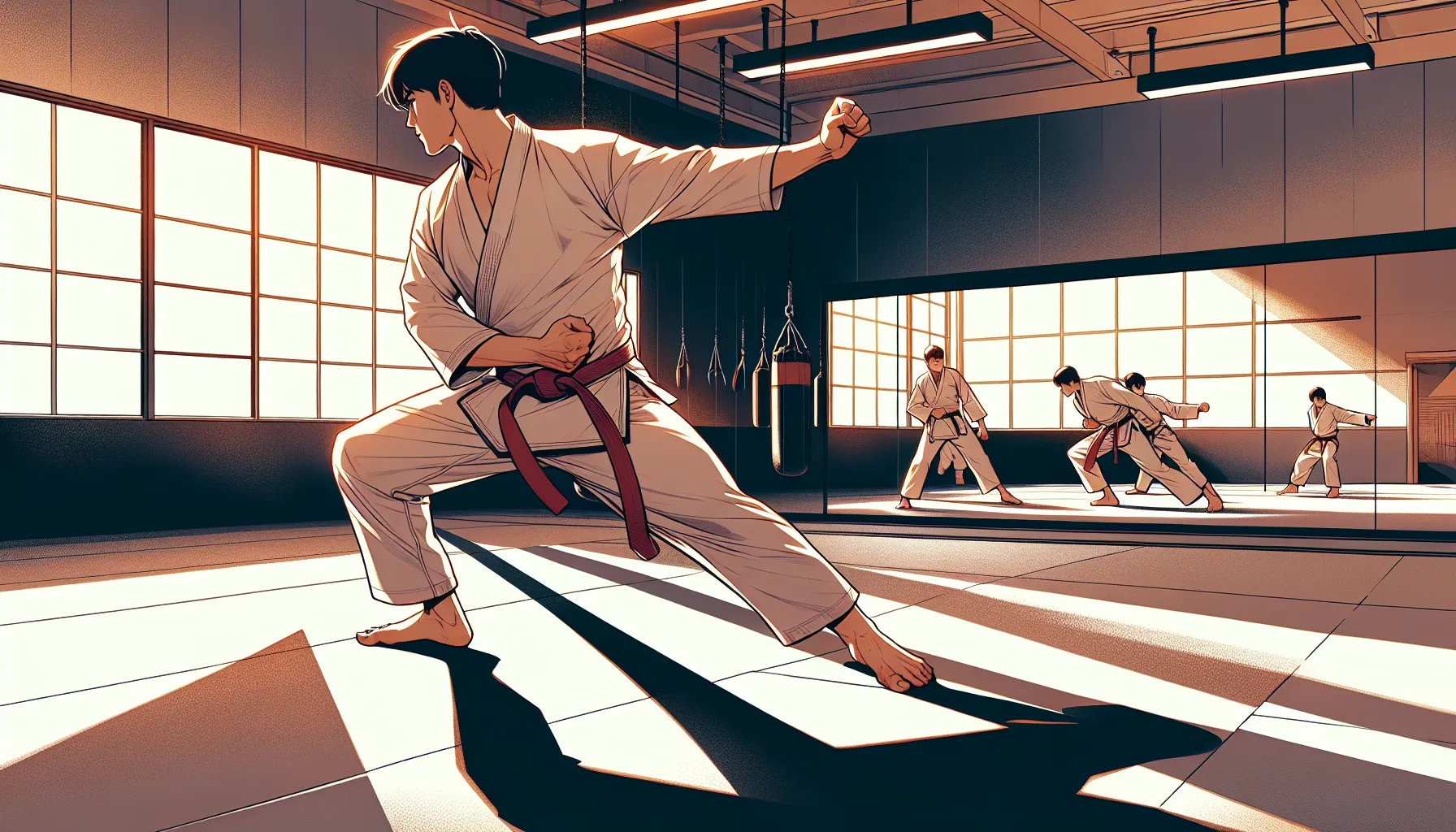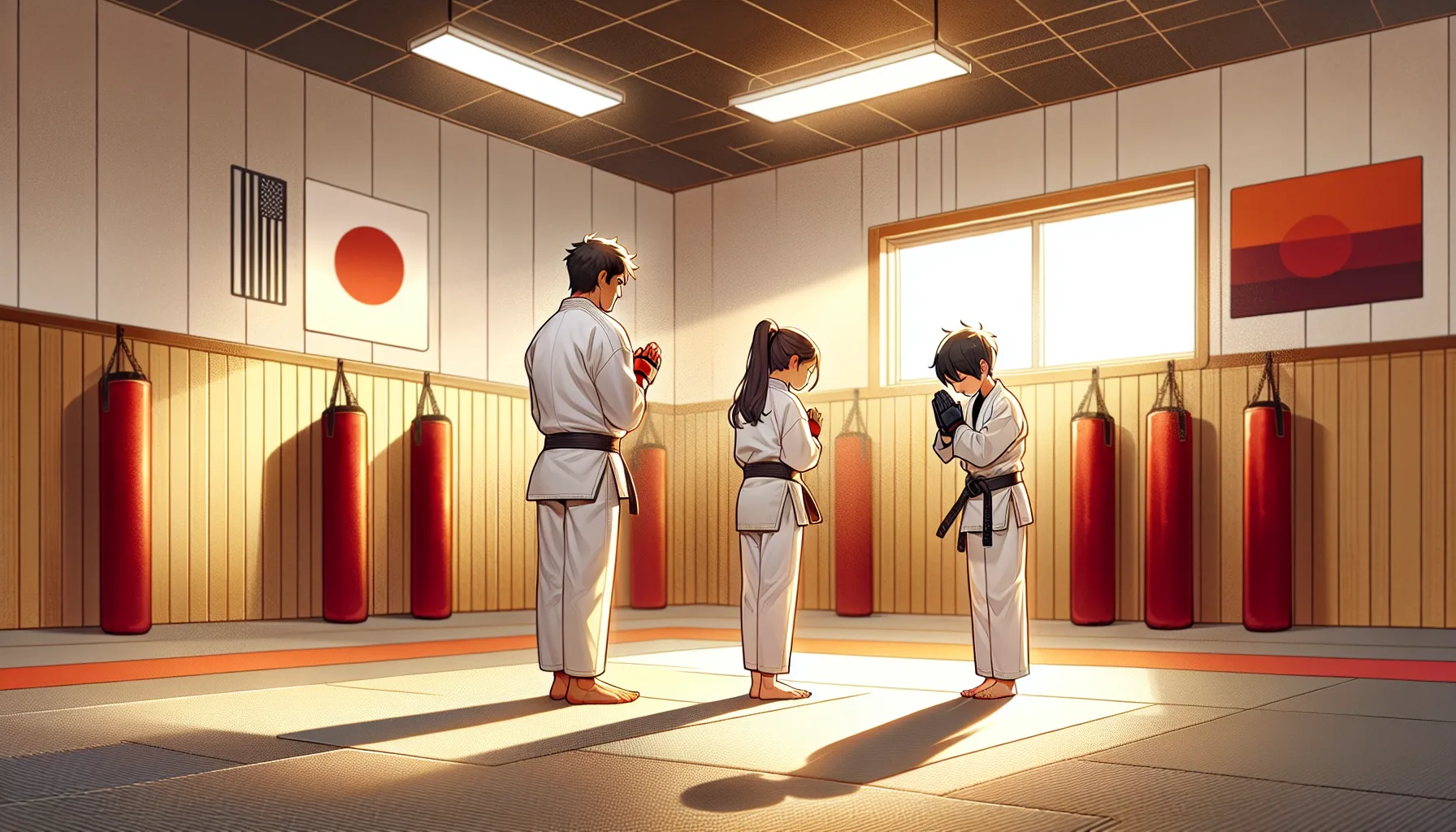
Controlled contact teaches what drilling cannot: how a technique holds up when someone genuinely resists, and how to keep thinking under pressure. A child who has never been hit does not know they can absorb it. At IAMA contact is graded, protected and supervised, never a free-for-all.
I will start with the uncomfortable truth: a martial arts student who has never been hit does not know how they will respond when they are. And not knowing is a significant problem.
This is not a defence of reckless training or casual injury. I take student safety seriously, and Inception Academy has structured protocols around sparring for exactly that reason. But the solution to safety concerns in contact training is careful management, not avoidance.
Avoidance produces practitioners who look impressive on pads and freeze in real encounters.
What can drills not teach?
Drilling is essential. Repetition of correct technique builds the motor patterns that make skill automatic. You cannot shortcut the drilling phase and expect to have reliable technique under pressure. This is not negotiable.
But drilling has a fundamental limitation: the drill partner cooperates.
In a drill, the punch arrives at the expected time, at the expected speed, from the expected angle. Your training partner is helping you succeed. The drill develops technique in a controlled environment. That is its purpose.
Real encounters, and even medium-intensity sparring, do not cooperate. The timing is unpredictable. The angle is unexpected. The force is variable. And there is an adrenaline response that changes everything about how your body performs.
Research on stress and motor performance shows that skills practised in low-arousal environments degrade substantially under high-arousal conditions. The technical capability does not disappear, but its execution becomes less reliable and slower. This is why soldiers with excellent shooting scores on the range sometimes struggle in live-fire situations. Training environment and performance environment are not the same.
Sparring bridges this gap. Not perfectly, and not immediately, but over time, students who spar regularly develop the ability to apply their skills under conditions that approximate the real thing. They have experienced the adrenaline. They have felt the contact. They have had to keep functioning with both of those inputs present.
The Specific Lessons of Getting Hit
There are several things a student learns from contact that simply cannot be taught any other way.
The first is that being hit is survivable. This sounds obvious. It is not. Children and teenagers who have never experienced controlled physical contact often have an exaggerated fear of being struck. That fear is not irrational, but it is often disproportionate. When it enters the nervous system during a real encounter, it can overwhelm the thinking brain and produce either paralysis or panic.
A student who has been hit before, who knows from direct experience that they can take a controlled strike and keep functioning, has a different relationship to that fear. The fear may still be present, but it no longer has the same power to derail performance.
The second is that technique matters more than force. In pad work, a sloppy technique can still produce a satisfying result because the pad is not moving or countering. In sparring, a sloppy technique often does not land at all, or lands without effect, because the partner has moved or blocked. This feedback is invaluable. It teaches students that precision and timing, not just aggression, are what make strikes effective.
The third is timing and distance. Reading distance and timing is one of the most important skills in martial arts, and it cannot be developed without a moving, responsive partner. Drills develop the execution of technique. Sparring develops the ability to create and recognise opportunities to apply it.
The fourth is emotional regulation under pressure. Sparring induces a mild to moderate stress response. Students who practise maintaining their technique, their breathing, and their decision-making while that stress response is active are developing one of the most transferable skills martial arts can offer. This is stress inoculation, and it has applications in every high-pressure situation a person faces.
How IAMA Manages Safety
The benefits of contact training are real. So are the risks if it is managed poorly. At Inception Academy, we take a structured approach to sparring that makes safety an active priority rather than an afterthought.
Age-appropriate introduction. Junior students (ages 4 to 7) do not spar with contact. They develop fundamental skills in a fully cooperative environment. Contact sparring is introduced progressively for Intermediate students (ages 8 to 12), beginning with very light touch and building as students develop both technical ability and emotional maturity. Senior students and adults engage in full sparring with appropriate equipment.
Protective equipment. All students who spar wear appropriate protective equipment: gloves, mouthguard, headgear where indicated. This is non-negotiable. Equipment does not eliminate the value of contact training. It controls the level of contact to a range that provides the benefits without unnecessary injury risk.
Instructor supervision. Sparring at IAMA is always instructor-supervised. Shihan Nick Putt, with 35 years of BJMA Zen Do Kai experience, reads the room in sparring the way a good coach reads a match. He knows when a pairing is well-matched and productive, and when it needs adjustment. He intervenes early when intensity is escalating beyond what the situation calls for.
Clear protocols. Students know the rules of engagement before they spar. Light contact for beginners. Defined targets. A clear stop signal that is always respected immediately. These protocols are not bureaucratic formality. They are the structure that makes contact training safe and productive.
Progressive intensity. Students do not begin sparring at full intensity. They begin at low intensity and build over months and years as their technique and emotional regulation develop. The goal at each stage is the right amount of challenge: enough to produce real learning, not enough to produce injury or excessive distress.
The Character Development Dimension
There is a character development argument for sparring that sits alongside the technical one.
Facing physical challenge, managing fear, and continuing to function when things are uncomfortable: these are not just martial arts skills. They are life skills. And there are very few contexts in modern life where children get to practise them in a structured, supervised way.
Sparring is one of those contexts. A child who has faced a resisting partner, felt genuine pressure, and continued to apply their training is building a kind of resilience that cannot be acquired in less demanding environments. They learn, firsthand, that they are more capable than their fear suggested. That lesson does not fade when they take off the gloves.
At IAMA, we take that dimension seriously. How students conduct themselves in sparring matters as much as whether their technique lands. Respect for the training partner, composure when things go wrong, and the willingness to return after a difficult session: those are the qualities we are developing alongside the physical skills.
If you are curious about what this looks like in practice, come and watch a class. Watching experienced students spar is genuinely impressive, and watching newer students navigate their first sessions shows you the process clearly. Book a free trial and see it for yourself.
For more on how physical training connects to psychological development in our curriculum, visit our physical resilience curriculum page.