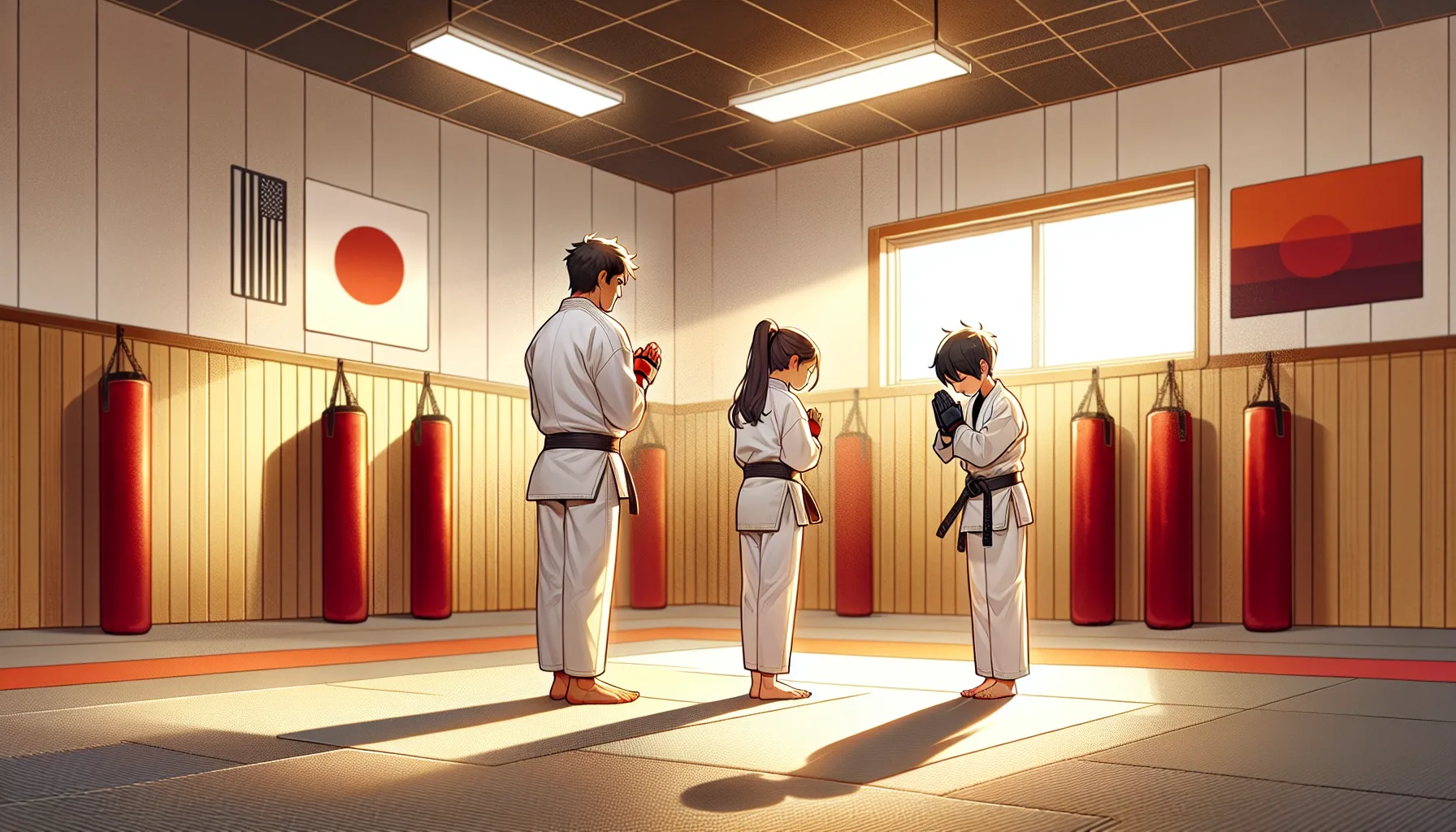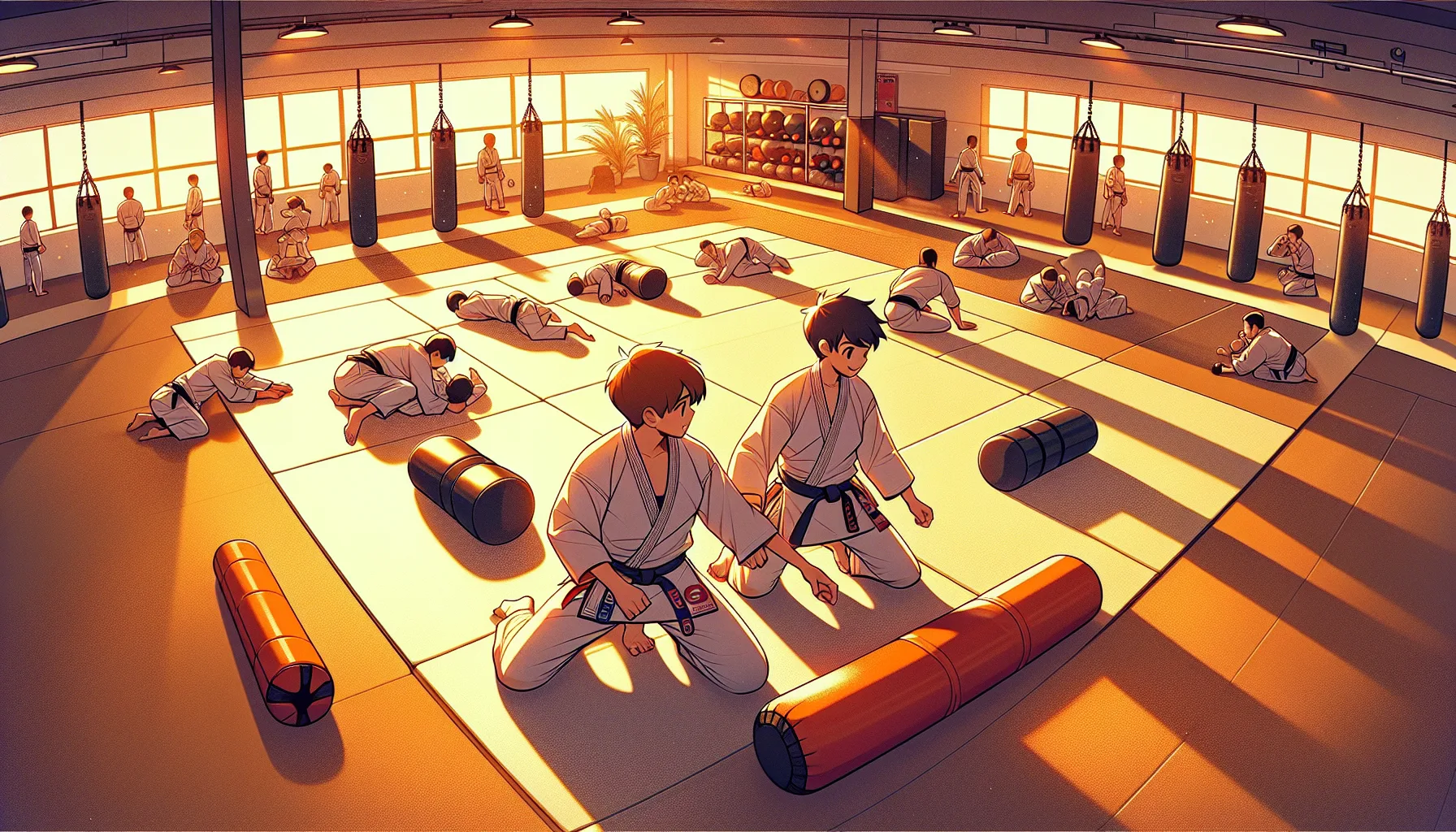
Group classes are the better default: varied partners, real pressure, and the community that keeps children training for years. Private lessons earn their cost on narrow work, such as grading preparation, a technique that will not click, or a nervous student building confidence before joining a group.
The question comes up regularly, usually from parents whose child has hit a plateau, or from adults who are serious about progressing quickly and want to know whether private lessons are worth the additional cost.
The honest answer is: it depends on what you are trying to achieve, where you are in your training, and what your specific development needs are. Let me break it down properly.
What do group classes do well?
Group classes are the core training format at Inception Academy, and there are good reasons for that beyond simple economics.
They develop real martial arts skills. Martial arts is not a solo sport. It is a practice that requires partners: people to spar with, to work combinations with, to provide the resistance that tests whether your technique is actually working. A student who trains exclusively in private lessons with a single instructor misses the essential experience of adapting to different bodies, different timing, and different responses. Group classes provide that variety every session.
They teach students to learn in a group setting. Following instruction in a class context, maintaining focus when there are multiple people around, managing your own learning when the instructor is working with someone else: these are skills in themselves. A student who can only learn when they have undivided instructor attention has a fragile learning process.
They build community. The dojo community is one of the underappreciated benefits of martial arts training. Students who train together develop genuine relationships built on shared challenge and mutual respect. They push each other, support each other through difficult patches, and provide social motivation that no instructor, however skilled, can replicate alone.
They are sustainable. At two sessions per week over years, the economics of group classes allow continuous long-term training. Long-term training is what produces real martial artists. A burst of intensive private lessons that a student cannot sustain is worth less than years of consistent group training.
What Private Lessons Do Well
Private lessons are not superior to group classes across the board. But in specific situations, they offer something that group classes cannot provide in the same way.
Targeted technical correction. In a group class with multiple students, the instructor's attention is distributed. A student with a specific technical issue, a habitual flaw in their guard position, a timing problem in their combinations, an inconsistency in their weight transfer, may not receive the sustained attention needed to identify and correct it. A private lesson lets the instructor focus entirely on that student's issues, diagnose the root cause, and develop a correction strategy.
Accelerated progression through a specific gap. If a student is preparing for grading and has identified one or two specific areas that are holding them back, a private lesson in the weeks before grading can accelerate progress on those points in a way group classes are not designed to do.
Starting from scratch for adult beginners. Some adult beginners are self-conscious about beginning in a group class. They are worried about holding more advanced students back, about looking incompetent in front of others, or about the physical demands of keeping up. A few private sessions to establish fundamental skills before joining group classes can make the transition into group training much smoother.
Neurodiverse learners. Some students, particularly those with attention difficulties or sensory sensitivities, find the group class environment significantly harder to learn in than a quieter, one-on-one format. For these students, private lessons may be an important bridge: a way to acquire the base skills and familiarity with the environment that allows them to eventually participate in and benefit from group training. Our neurodivergence curriculum page covers how we approach these situations in more detail.
Specific self-defence goals. An adult who wants to develop specific self-defence skills quickly, rather than following the standard belt progression, may benefit from a targeted private lesson programme that concentrates on the most practically relevant techniques and scenarios.
The Hybrid Approach
In practice, the most effective use of private lessons is not as a replacement for group classes but as a supplement to them.
A student who attends group classes consistently and books one private lesson per month to address specific technical issues will progress faster than either a student who attends group classes alone or a student who trains primarily in private lessons. The group classes provide community, variety of partners, and volume of practice. The private lessons provide targeted correction and acceleration.
This is the approach I would recommend for students who are serious about progression but need to be realistic about time and budget.
Cost Considerations
Private lessons cost more than group classes, sometimes significantly more. That cost needs to be weighed against the specific benefit you expect from them.
If you are booking a private lesson because you have a specific technical problem that needs addressing and you have not been getting enough instructor attention in group classes to fix it, that is a specific, bounded purpose. The cost is likely to be worth it.
If you are booking private lessons because you vaguely feel like your child would progress faster with more one-on-one attention, without a specific developmental goal in mind, the cost may not be justified. You may be paying for a format that feels more valuable without it actually delivering more value for your specific situation.
The question to ask before booking private lessons is: what specific outcome am I trying to achieve that group classes are not providing? If you have a clear answer, private lessons are probably worth considering. If the answer is vague, start with consistent attendance at group classes and see whether the specific need becomes clearer.
How IAMA Structures Both Formats
At Inception Academy, group classes run on Monday and Thursday and are structured for each age group: Juniors (4 to 7), Intermediates (8 to 12), and Seniors (13 and up). The group class curriculum follows the BJMA Zen Do Kai belt progression, with clear standards at each level.
Private lessons are available as a supplement to group training, primarily for students who have identified specific technical or developmental goals they want to address with focused instructor attention. Talk to Shihan Nick Putt directly about whether a private lesson programme makes sense for where your child is in their training and what you are trying to achieve.
The advice is free, and it will be honest. If private lessons are not the right tool for your situation, that is what you will be told.
The Bottom Line
Group classes are the foundation of martial arts training. They develop real skills through partner work, build community, and provide a sustainable long-term training environment. They should be the backbone of any student's programme.
Private lessons are a valuable supplement in specific circumstances: targeted technical correction, bridging gaps before grading, supporting learners who find group settings difficult, and addressing specific self-defence goals. They are not a premium version of group training that should replace it. They are a different tool for a different purpose.
Most students, most of the time, will get the most value from consistent group training with occasional private lessons at key points in their development.
If you are considering enrolling your child at Inception Academy, the best starting point is a group class. Book a free trial and experience the format directly. That will give you a much better sense of what your child needs than any article can.
Our classes page has full details on class schedules, age groups, and what to expect at your first session.