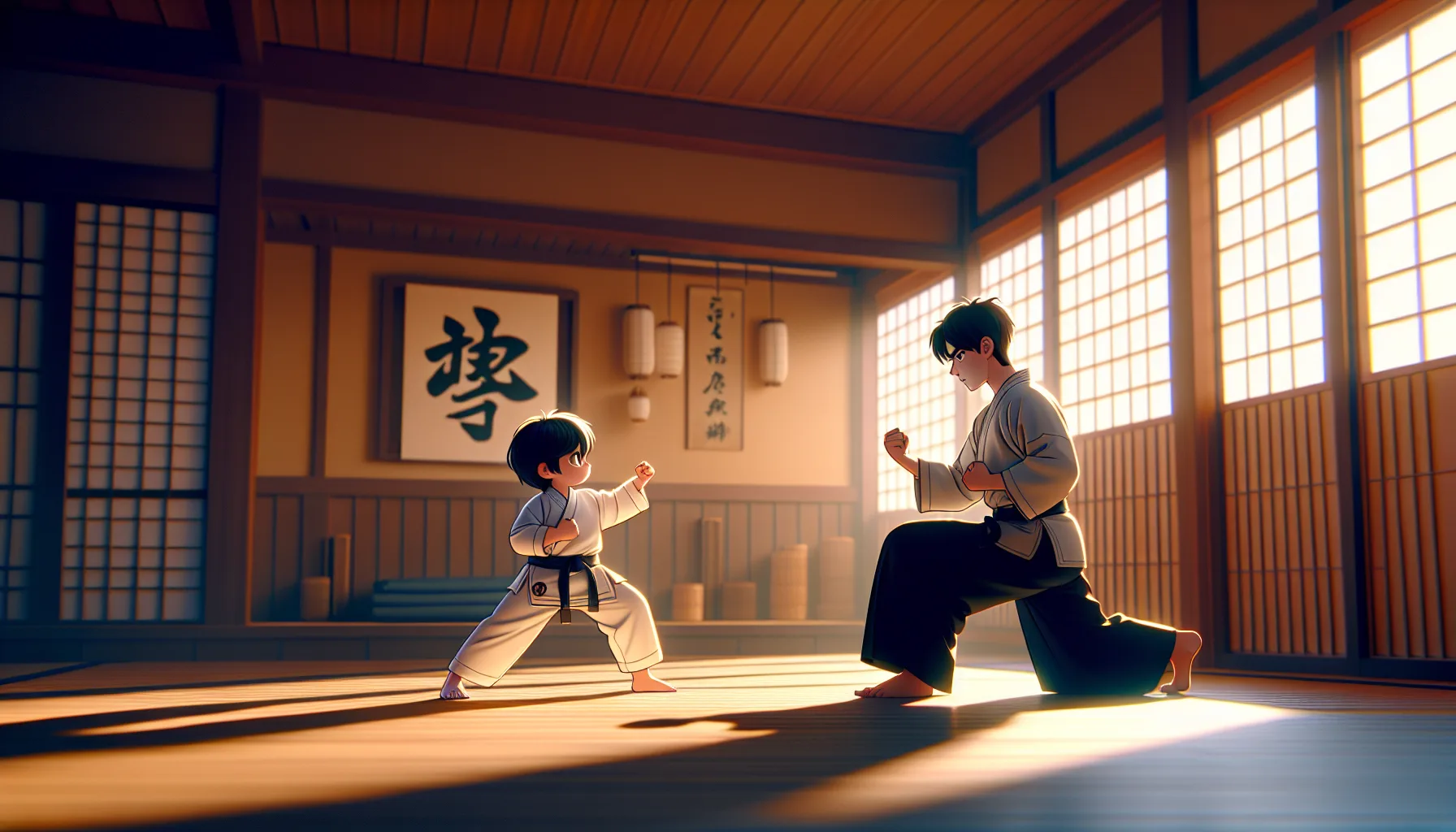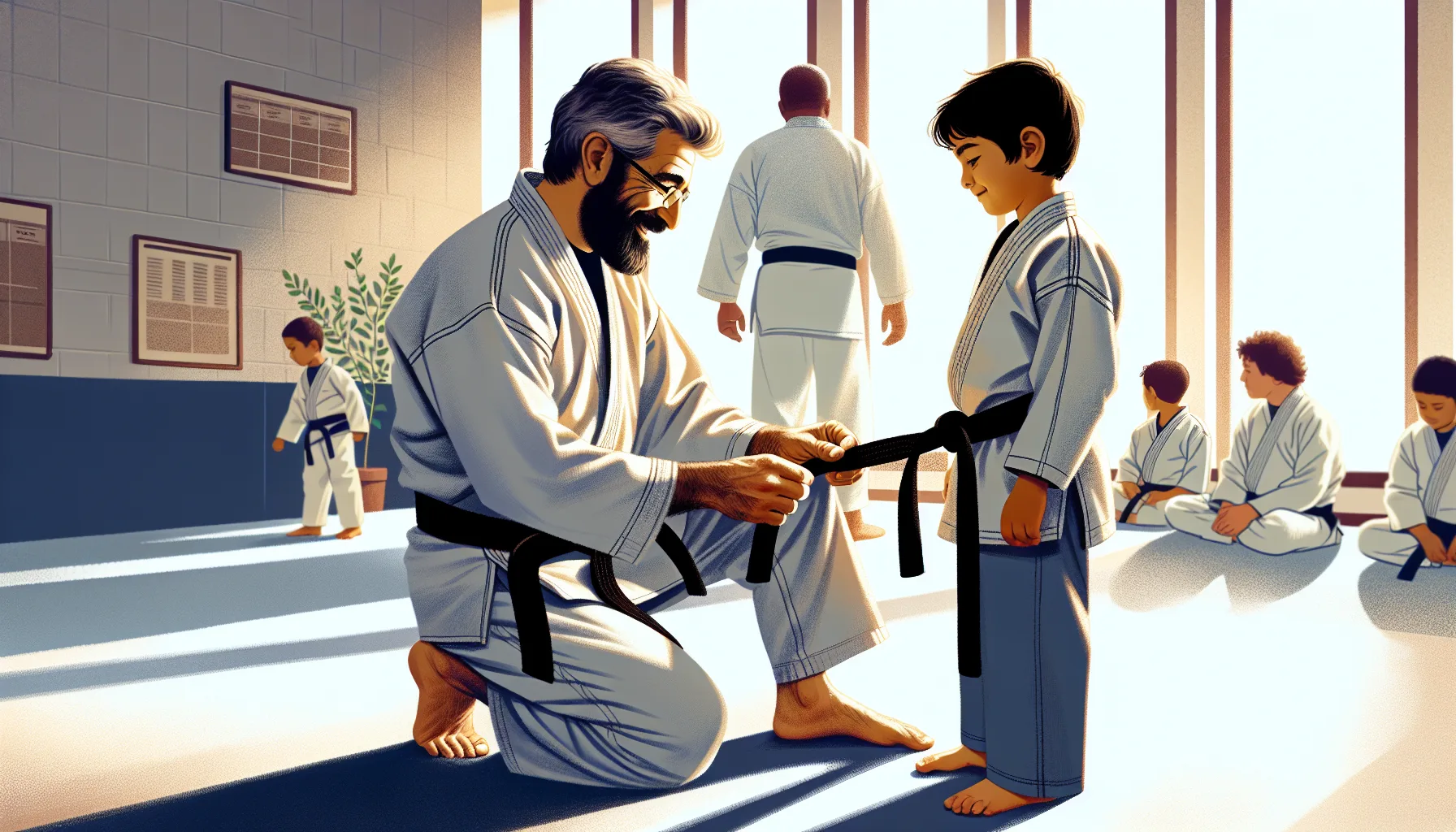
Restraint only counts when there is something to restrain. Someone who cannot fight is not peaceful, only unable. Training builds genuine capability and then spends years teaching students never to use it, which is why serious martial artists are among the least aggressive people you will meet.
There is an idea that has persisted across philosophical traditions for centuries: to be peaceful, you must be capable of violence. If you are not capable of violence, you are not peaceful. You are harmless. And harmlessness, however comfortable it appears, is not a virtue.
This idea makes people uncomfortable. It should. Sitting with that discomfort is where the real thinking begins.
What is the distinction that changes everything?
Peacefulness and harmlessness look identical from the outside. Both result in a person who does not hurt others. But the internal reality is completely different, and that internal reality determines what happens when circumstances change.
A harmless person does not hurt others because they cannot. They lack the physical ability, the psychological preparedness, or the situational awareness to pose a threat to anyone. In calm conditions, this looks like peace. In a crisis, it is revealed for what it actually is: helplessness.
A peaceful person does not hurt others because they choose not to. They possess genuine capability. They could cause harm. They have the physical skill, the mental composure, and the understanding of violence that would allow them to act effectively if the situation required it. They do not act, not because they cannot, but because they have decided not to. That decision is a moral achievement. It requires something of the person making it.
This distinction matters enormously, and it matters most in the context of raising children.
Choice Requires Alternatives
A choice only exists where there are alternatives. If you have one option, you do not have a choice. You have a circumstance. You are simply doing the only thing available to you.
A person who has never learned to fight and does not fight is not exercising restraint. They are doing the only thing they know how to do. There is no moral weight in that. There is no character being expressed. There is only limitation presenting itself as virtue.
A person who has trained seriously, who understands what their body is capable of, who has practised applying force effectively and has also practised controlling it, and who then chooses not to use it: that person is exercising a genuine moral faculty. They are choosing peace from a position of strength. That is different from defaulting to passivity from a position of weakness.
This is not abstract philosophy. It plays out in classrooms, playgrounds, workplaces, and every other environment where human beings encounter conflict. The person who has real options handles conflict differently from the person who has none.
What Capability Actually Does to Aggression
There is a common fear that training people in martial arts, that building genuine physical capability, will make them more aggressive. The research tells the opposite story.
Studies on competence and aggression consistently show that people who feel physically competent are less likely to behave aggressively, not more. This holds across age groups. Children who have developed genuine physical skills through structured training show lower levels of reactive aggression than their untrained peers. Adults with martial arts experience report greater emotional regulation and less impulsive behaviour in conflict situations.
The mechanism is not complicated. Aggression, particularly reactive aggression, is strongly predicted by insecurity and perceived helplessness. When a person feels threatened and believes they have no capacity to respond effectively, the nervous system escalates. Fight-or-flight kicks in, and without a framework for managing it, the result is either uncontrolled aggression or complete shutdown. Neither is useful.
When a person knows they can handle a physical confrontation, the threat registers differently. The nervous system still responds, but the response is modulated by confidence and competence. There is less panic because there is less helplessness. There is less need to prove anything because capability is already established. The person can afford to be calm because they have options beyond calm.
At Inception Academy, we see this regularly. Students who have been training for a year or two carry themselves differently. Not with aggression. With composure. They are not looking for confrontation because they do not need it to feel capable. That security, built through genuine skill development, is one of the most valuable things training produces.
What This Means for Children
Consider the child who has never experienced controlled physical confrontation. They have never been in a sparring match. They have never felt what it is like to be hit safely, to recover, to continue functioning. They have no framework for understanding what a physical encounter involves.
That child is not peaceful. That child is anxious, whether they show it or not. Physical confrontation exists as an unknown, a void where imagination fills in the worst possibilities. When that child encounters real conflict, whether a playground altercation or something more serious, they have essentially two responses available: freeze or escalate unpredictably. Neither of those responses serves them well.
Now consider the child who has trained. They have sparred. They have been hit in a controlled environment and hit back. They know what a physical confrontation involves because they have experienced versions of it hundreds of times under safe, structured conditions. They know they can take a hit and keep functioning. They know they can apply technique under pressure. They know, from direct experience, that they are more capable than fear would suggest.
That child has a much wider range of responses available. They can de-escalate because they are not panicking. They can stand their ground verbally because their confidence is not performative. They can walk away without it feeling like defeat because they know what the alternative would look like, and they are choosing not to go there. And in the rare situation where physical response is genuinely necessary for their safety, they have the skills to respond effectively rather than flailing.
The child who trains is not the one who starts fights. The child who trains is the one who does not need to.
The Discomfort Parents Feel
I understand the instinct many parents have to keep their children away from anything resembling violence. It comes from a good place. You want to protect your child. The idea that they should learn to strike, to grapple, to function in a physical confrontation feels contradictory to that protective instinct.
I would ask those parents to consider what protection actually means.
Protecting your child from ever encountering the controlled, supervised, carefully managed version of physical challenge does not protect them from the uncontrolled version. It just means they meet it unprepared. The playground does not care about your protective intentions. Neither does the world beyond school.
The dojo provides something no other environment offers: a structured, safe, supervised context where children build physical capability alongside the character to use it wisely. Every training session teaches technique and discipline simultaneously. Every sparring round develops skill and self-control at the same time. These things are not in tension. They are inseparable.
Children who train in a good dojo do not become violent. They become capable. And capable people, as the research confirms, are the ones least likely to use violence unnecessarily.
The Zen Do Kai Foundation
Zen Do Kai is a freestyle martial arts system built on a self-defence foundation. It exists because real threats exist. The system was developed in Australia by Bob Jones, who was interested in what actually works in actual confrontations, not in what looks impressive in demonstrations.
That foundation matters here because it keeps the training honest. Zen Do Kai students learn to strike effectively because effective striking is a real skill with real applications. They learn to control opponents because control is sometimes necessary. They learn to function under pressure because pressure is what real situations involve.
This is not glorifying violence. It is acknowledging reality. Violence exists in the world. Training for it does not create it. Pretending it does not exist does not prevent it. What training does is build people who can handle it, both physically and psychologically, and who are therefore in a position to choose how they respond rather than having the response dictated by panic.
The Synthesis
The goal of martial arts training, done properly, is not to create fighters. It is to create people who do not need to fight. Not because they cannot, but because they could if they had to, and they have chosen not to. Everyone around them can sense it. There is a composure that comes from genuine capability that cannot be faked and does not need to be advertised.
That is what real peace looks like. Not the absence of capacity. The presence of choice.
At Inception Academy, we build that capacity deliberately. Our values framework develops twelve psychological attributes from white belt to black, and every one of them depends on the student having real capability underneath. Confidence without skill is bluster. Discipline without strength is compliance. Respect without the ability to do otherwise is simply deference.
We build the dangerous and the disciplined together, because you cannot have the second without the first.
If you want to see what capability and composure look like in the same person, come and watch a class at Inception Academy. Better still, book a free trial for your child. The first session costs nothing except the willingness to try.
For more on the values framework that underpins everything we teach, read about the 12 psychological attributes we develop from white belt to black. And to understand the system our training is built on, visit the Zen Do Kai curriculum page.