Structure and warmth are not opposites. The traditional dojo is strict about standards and generous with support at the same time, and children read that combination as safety. Clear expectations, consistent consequences and praise that has been earned remain the most reliable way to build self-regulation.
Walk into almost any traditional dojo and you will notice something within the first thirty seconds. Children are quiet. Not suppressed, not frightened, not bored. They are focused. They know what is coming next, they know what is expected of them, and they are ready.
That quality, the readiness to engage fully, is increasingly rare. And the traditional dojo structure is one of the few environments left that reliably produces it.
What do we mean by discipline?
The word discipline has taken a beating in recent decades. It got lumped in with punishment, with authoritarian parenting, with the kind of rigid rule-following that leaves no room for a child's individuality. So a generation of parents and educators backed away from it, replacing structure with negotiation and expectations with suggestions.
The outcome has been mixed, at best.
In a cognitive psychology context, discipline is something quite different from punishment. It is the capacity to direct attention voluntarily. To resist an easier option in favour of a more valuable one. To persist through discomfort because you understand what the discomfort is building.
That capacity is not innate. It is trained. And the traditional dojo is one of the most effective training environments ever devised for it.
The Architecture of the Dojo
A dojo is not just a room with mats. It is a carefully constructed environment, and every element of it serves a developmental purpose.
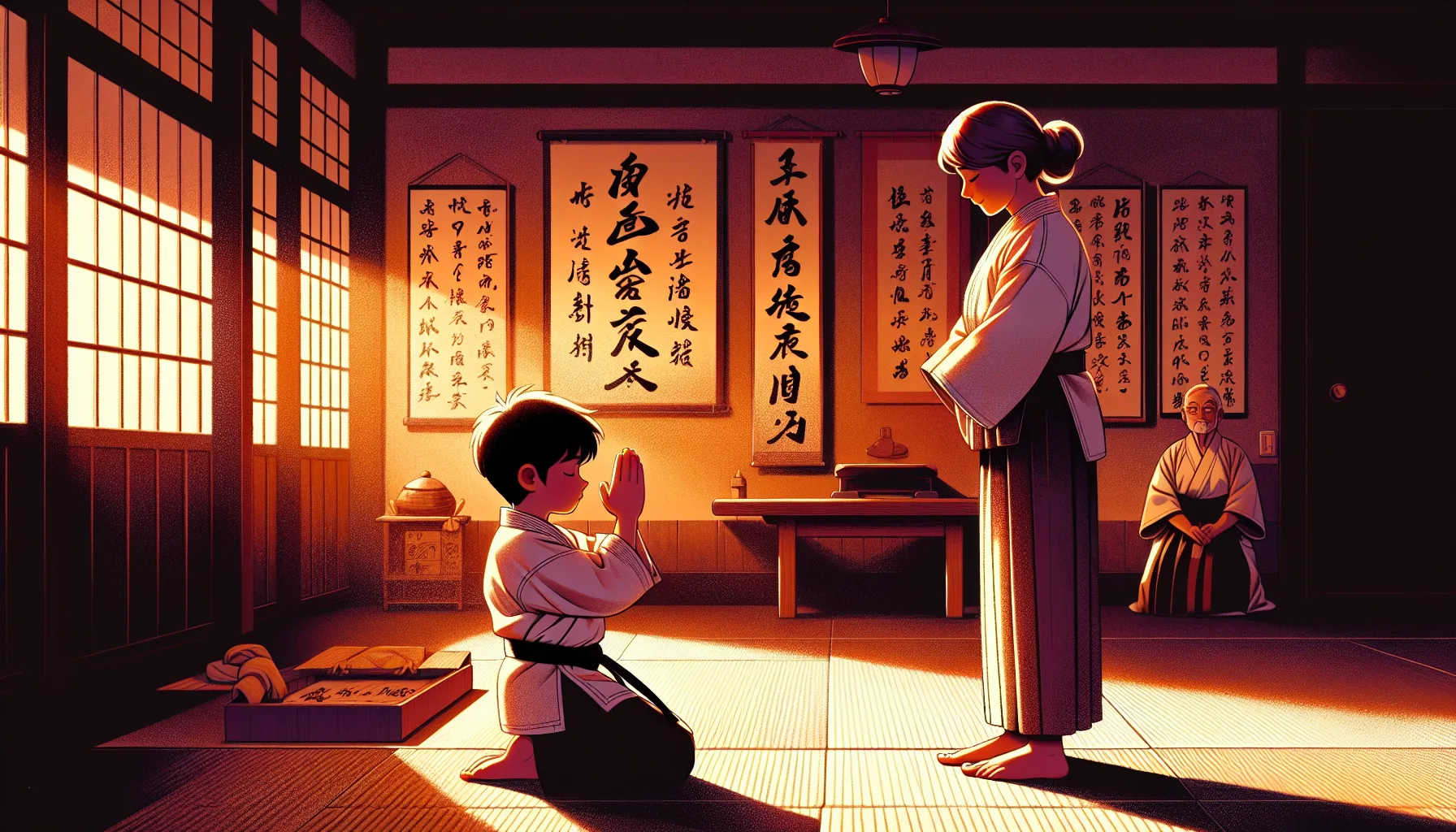
The bow at the threshold. When a student bows to enter the dojo, they are performing a physical act that signals a shift in state. This is not ceremony for its own sake. Research on embodied cognition shows that physical gestures change mental states. The bow is a cue to the nervous system: we are here to work, we are here to learn, we are here to be present. Children who struggle to transition between contexts, a common challenge in ADHD presentations, benefit enormously from clear, physical transition markers.
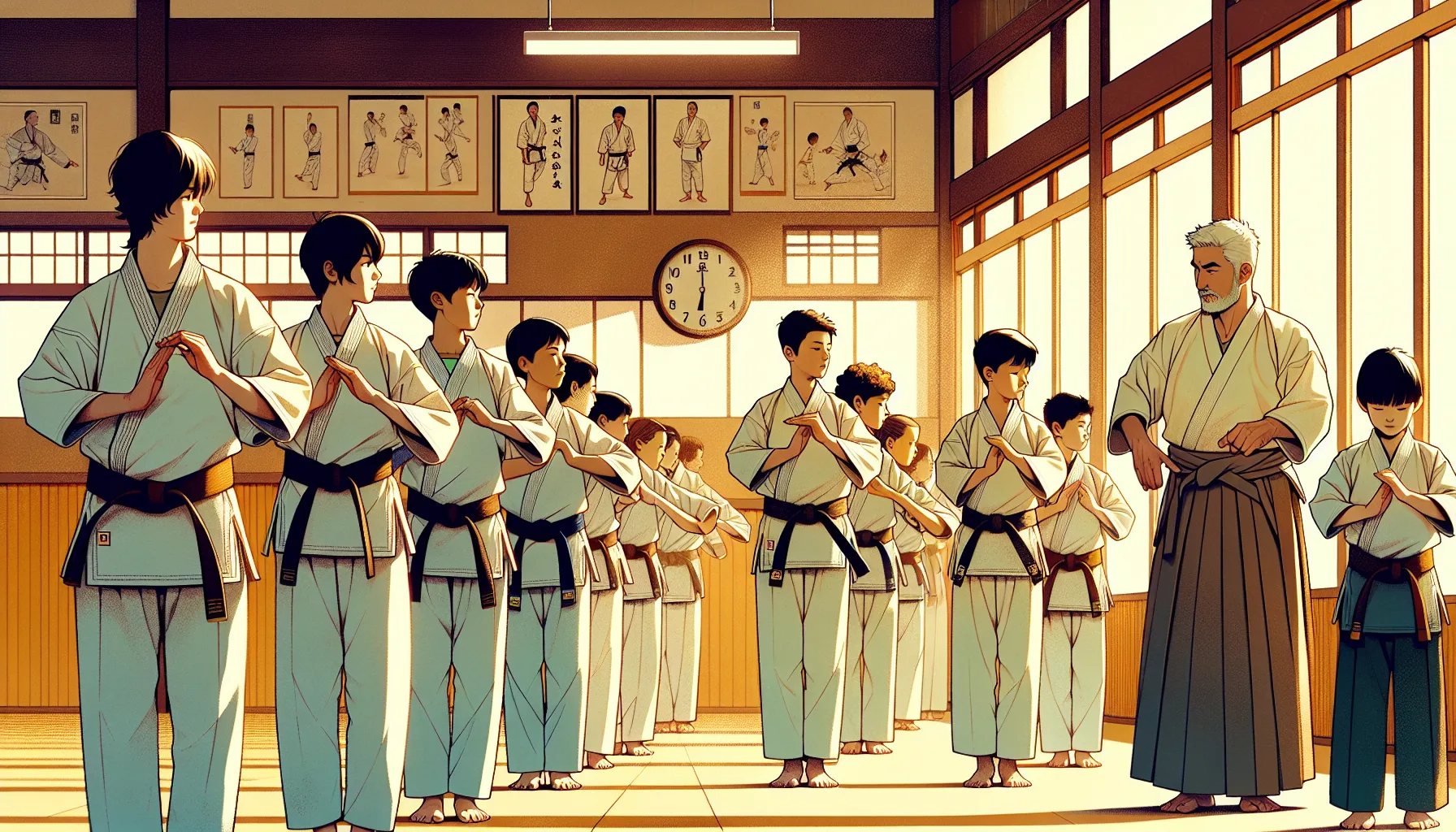
The line-up. At the start of every class at Inception Academy, students line up by rank, juniors at one end, higher belts at the other. This does several things simultaneously. It establishes the hierarchy of experience. It gives every student a clear position in the group. It creates predictability. And it builds the habit of organisation, of bringing oneself into alignment with a structure larger than one's own preferences.
The command structure. Instructions in the dojo are clear, direct, and followed. This is not about compliance for its own sake. It is about practising the cognitive skill of receiving an instruction, holding it in working memory, and executing it, all while managing the physical and emotional demands of training. Every drill is a working memory exercise. Every combination is an attention management task.
The silence. Traditional dojos are quiet places. Students do not chatter during instruction. They do not interrupt. They listen. In a world of constant auditory and digital input, the experience of sustained, focused silence is genuinely novel for most children. And like any novel environment, it produces learning.
Why Modern Children Need It More Than Ever
There is a paradox at the heart of contemporary childhood. Children today have more choice, more stimulation, and more adult attention than any previous generation. And yet rates of anxiety, difficulty with frustration tolerance, and inability to sustain attention are rising, not falling.
More options do not produce more capable children. More scaffolded, expert-guided challenge does.
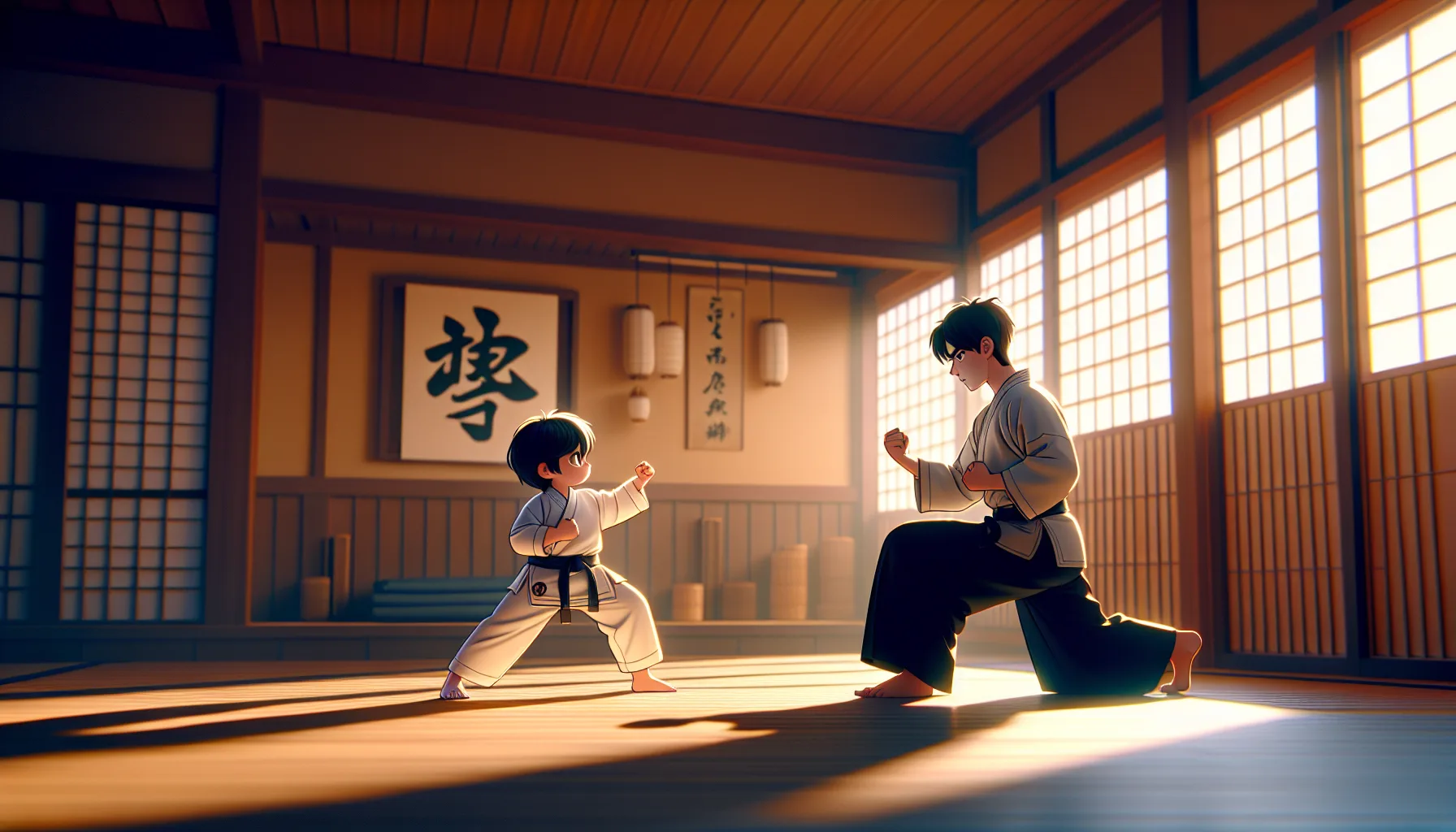
The dojo provides exactly that. It is a place where the challenge is calibrated to the student's current level, where success is achievable but requires real effort, and where the consequences of inattention are immediate and instructive without being catastrophic. You lose the drill. You have to do it again. You learn.
This is the feedback loop that builds self-efficacy. Not praise for effort, not trophies for participation, but genuine mastery earned through genuine effort. When a child breaks their first board, or earns their first stripe, or lands a combination cleanly for the first time, they know it is real. No one gave it to them.
The Values Are the Structure
At Inception Academy, we map 12 psychological attributes to belt progression, from Calmness at white belt through to Altruism at black. This is not decoration. It is architecture.
Calmness comes first because nothing else is possible without it. A child who cannot regulate their nervous system cannot learn. The first weeks of training at white belt are, at one level, a course in physiological regulation. Breathing, stillness, the management of arousal.
Awareness follows because skilled action requires accurate perception. Not just of the opponent or partner in front of you, but of your own body, your own habits, your own tendencies. Martial arts training is one of the few contexts in which children receive direct, unambiguous feedback about whether they are actually paying attention.
Perseverance comes next because it has to be taught before the real difficulty arrives. By the time a student is halfway through their belt journey, they will have faced genuine obstacles. The technique that will not click. The partner who is bigger or faster. The grading that did not go as planned. Students who have been given the language and the expectation of perseverance handle these moments differently from students who have not.
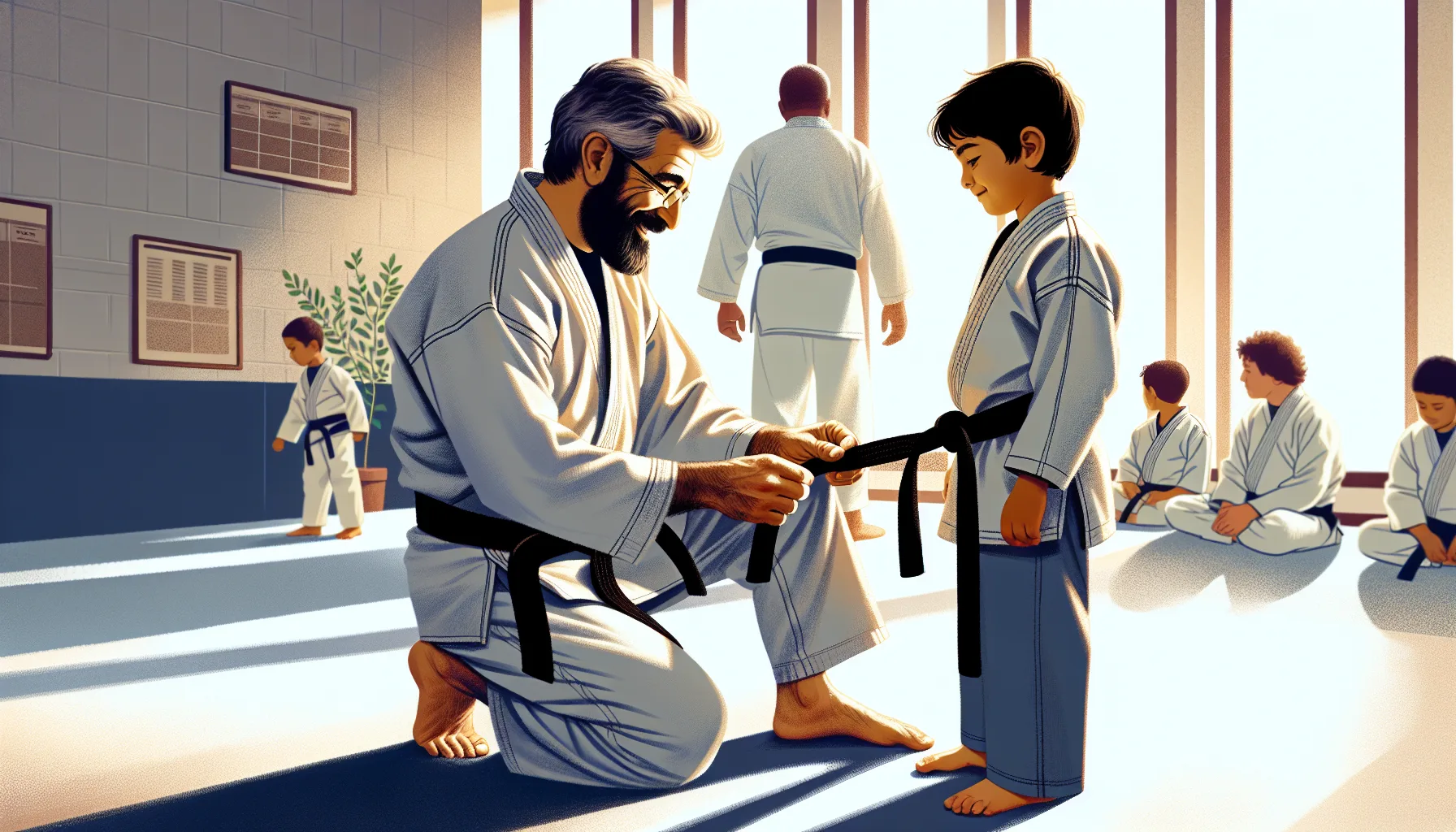
Each successive attribute, Self-efficacy, Self-regulation, Respect, Integrity, Courage, Humility, Discipline, Compassion, Altruism, builds on what came before. The belt is not a reward for time served. It is evidence of psychological development.
The Instructor Relationship
One element of dojo discipline that receives less attention than it deserves is the relationship between student and instructor. In the modern classroom, teachers are expected to be facilitators, guides, co-learners. There is real value in that model. But it is not the only model, and it is not always the right one.
The traditional dojo instructor is an expert. They know something the student does not know. They have walked the path the student is on and they know what lies ahead. The relationship is one of genuine deference, not because deference is owed to authority, but because the instructor has earned the right to be trusted.
Children who have never had that experience of placing themselves in the hands of a genuinely competent, caring authority figure are missing something important. Learning to trust an expert, to follow instruction even when you do not immediately understand why, and to discover that the trust was warranted, is its own developmental milestone.
At Inception Academy, Shihan Nick Putt brings 35 years of Zen Do Kai experience and 5th Dan grading to every class. When he demonstrates a technique, he is not guessing. When he gives a correction, it is precise. Students learn, often quickly, that following his instruction produces results that their own improvisation does not.
The Long Game
Parents sometimes ask whether the discipline of the dojo carries over into the rest of a child's life. The research says yes, with caveats.
Skills transfer when they are practised consistently over time, when the child understands the underlying principle rather than just the specific behaviour, and when the environment at home and school supports rather than contradicts what is being learned.
The dojo cannot do everything. But it can provide a reliable anchor. Two sessions per week of structured, expert-guided, values-explicit training creates a rhythm. A child who knows that on Monday and Thursday they will be expected to be focused, respectful, and persistent gradually internalises those expectations. They become part of how the child understands themselves.
That is the long game. Not compliance. Not discipline for its own sake. But the development of a child who has encountered their own capacity for focus, effort, and self-regulation, and knows it is real.
If you want to see what this looks like in practice, come and watch a class at Inception Academy. Better still, book a free trial for your child. The first session costs nothing except the willingness to try.
For more on the values framework that underpins our curriculum, read about the 12 psychological attributes we develop from white belt to black.