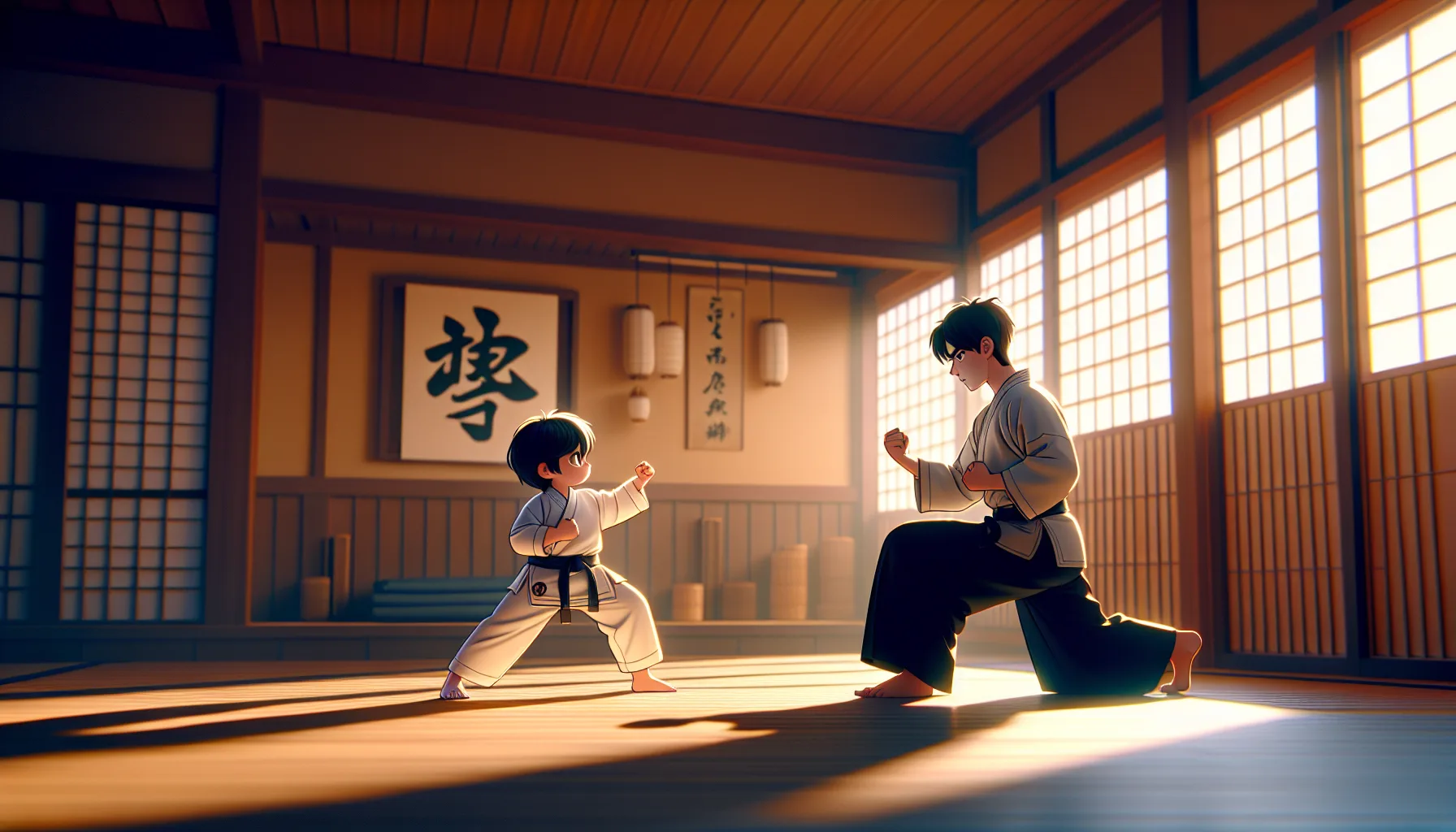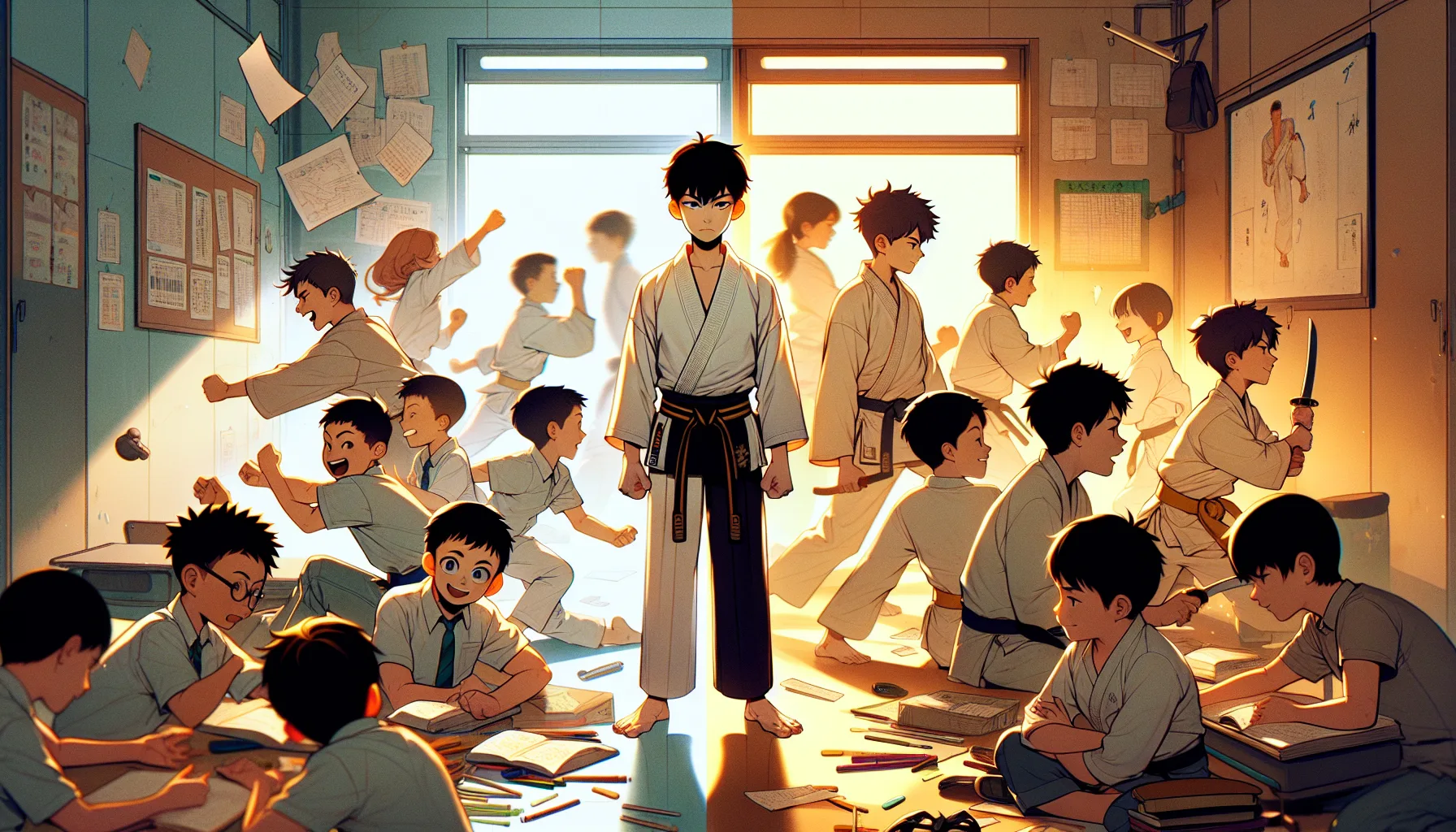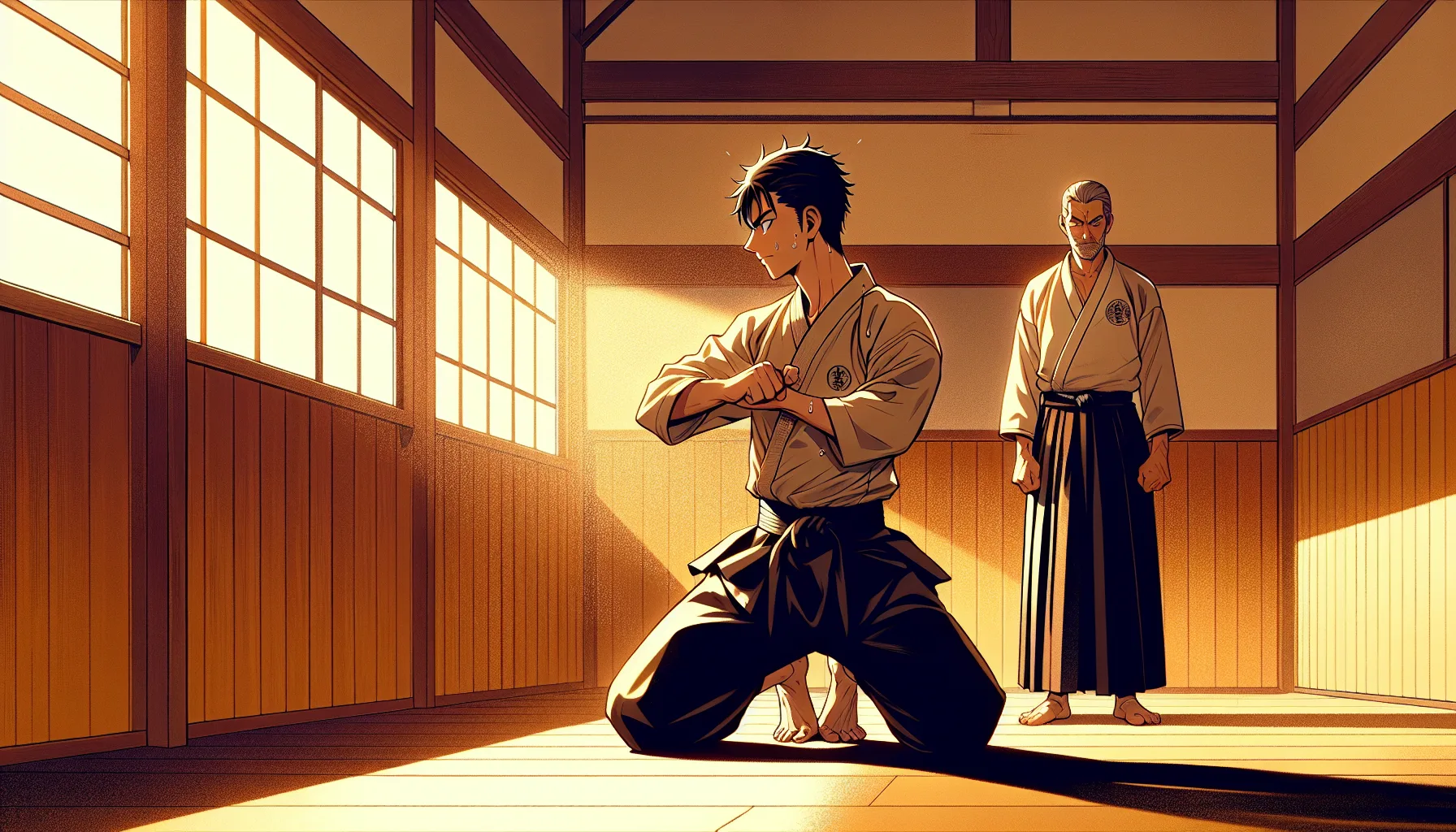
The third stanza is about continuing past the point where continuing stops feeling good. The dojo trains this every session: the last rounds when the legs have gone, the grading retaken, the technique rebuilt from nothing. Will is not innate, it is accumulated through repetition.
This is the third part of a series exploring Kipling's "If" through the lens of martial arts training. Part 1 covered composure under pressure, and Part 2 examined ambition and resilience. This third stanza is the one that speaks most directly to the physical experience of training in a dojo.
The first two stanzas of the poem deal with the mind: keeping your head, trusting yourself, managing the opinions of others. They are cognitive. This stanza shifts register entirely. It is about the body, the will, and the relationship between the two. It is about what happens when the mind says "I want to continue" and the body says "I cannot," and about the discovery that the body is usually wrong about that.
Every martial artist I have ever trained with recognises this territory. It is the most physically honest stanza of the poem, and it maps onto dojo training with startling precision.
What does risking everything on one moment teach?
Kipling writes about making "one heap of all your winnings" and staking them on a single turn. In the dojo, this moment has a name: grading.
A student who has trained for six months, attending twice a week, drilling techniques, building conditioning, developing the character attributes expected at their belt level, compresses all of that work into a single assessed performance. There is no partial credit. The performance is observed, assessed, and judged. Either the student demonstrates real competence or they do not.
This is not the same as a school exam, where months of study are reduced to written answers and a percentage. In a grading, the student performs physically, in front of assessors and peers, under real stress. The heart rate climbs. The hands sweat. The techniques that felt clean and automatic in regular training now have to be executed while the body is running a full stress response. Everything the student has built is on the line, and they know it.
Most children in modern life never experience this kind of high-stakes, embodied assessment. Examinations are seated and private. Sports games distribute risk across a team. But a grading is individual, physical, and genuinely uncertain. The student who can bring their best under that pressure has practised a form of courage that most adults never develop.
This is not accidental. The grading system at Inception Academy is designed to produce exactly this: the experience of risking accumulated effort on a single genuine assessment. We wrote about what grading involves in detail, and the design is deliberate. The stakes are real because real stakes produce real growth.
Losing and Starting Again
The poem speaks about losing "and start again at your beginnings, and never breathe a word about your loss." Students fail gradings. It happens. The best students fail at some point in their journey because they are being held to a genuine standard, not a performative one.
What happens next defines them.
The student who returns to training the following week, who does not make excuses, who does not question the assessor's judgement, who does not need to tell everyone about the injustice of it, who simply begins preparing again: that student is building something that will serve them for the rest of their life.
I have seen this enough times to know the pattern. A student fails a grading and the initial emotional response is disappointment, sometimes frustration, occasionally tears. That response is entirely normal and we expect it. What matters is the second response: the decision made in the days after the grading about what to do next.
Some students return to class within the week. They do not discuss the grading unless asked. They train with the same intensity. They take the specific feedback they received and work on exactly that. When the next grading comes, they pass, and the belt they receive carries a weight that a first-time pass does not, because they know what it cost.
Other students, fewer of them but some, do not return. The failure becomes the story, and the story becomes the reason to stop. This is always a loss, not because the student needed martial arts specifically, but because they missed the opportunity to learn the most important lesson: that failure is information, not identity.
The distinction between these two responses is not personality. It is not some innate character trait that some children have and others lack. It is trained. It is the product of an environment that normalises failure as part of the process and provides a clear, respected path from failure to the next attempt. At Inception Academy, students who do not pass a grading are given specific, constructive feedback and a clear timeline. There is no shame in it. Only direction.
Forcing Heart and Nerve and Sinew
This is the line that every martial artist recognises in their body, not just their mind. Kipling writes about forcing "your heart and nerve and sinew to serve your turn long after they are gone."
This is the last thirty seconds of a conditioning circuit when the body is saying stop and the student keeps going. This is the final round of sparring when the legs are heavy and the arms feel like they belong to someone else. This is the moment in every serious training session where the student discovers that their limits are further away than they believed.
The dojo manufactures these moments deliberately. Not as punishment. As training.
The capacity to continue when the body wants to stop is trainable. Research in exercise science and sports psychology consistently supports this: perceived exertion and actual physiological limits are not the same thing, and the gap between them can be widened through repeated exposure. The body sends "stop" signals well before real failure, and the student who has learned, through experience, that those signals can be overridden safely discovers something that changes their relationship to difficulty in every domain.
This is what we are doing when we make kids do push-ups. The push-ups are not the point. The discovery is the point. The discovery that the body's first "no" is not the last word, and that the student has a say in what happens next.
It is developed through repeated exposure to the boundary, and through the realisation, made fresh each time, that the boundary moves when you push against it. The child who could barely manage ten push-ups in their first month and is now managing thirty without complaint has not just built physical strength. They have built a fundamentally different understanding of what their body's discomfort signals mean.
Our physical resilience curriculum is built around this principle. Every session includes moments where students encounter their perceived limit and are coached through continuing past it. The coaching matters: we are not simply demanding more and seeing who survives. We are teaching students how to recognise the difference between real injury signals, which must always be respected, and discomfort signals, which can be managed and overridden.
The Will That Says Hold On
There is a moment in training, in grading, in sparring, when technique fails, when energy fails, when everything rational says stop, and the only thing left is will. Kipling names it precisely: "the Will which says to them: 'Hold on!'"
Every martial artist recognises this line. There is a point in sustained effort where the conscious, strategic mind runs out of solutions and what remains is something simpler and more fundamental: the decision to continue. Not because of technique. Not because of fitness. Simply because the student has decided that they will.
The student who has experienced that moment, and has discovered that their will is sufficient, has something that no other childhood activity provides in quite the same way.
Team sports teach cooperation and competitive spirit, but they distribute the burden. If a footballer's legs are tired, the team can compensate. In the dojo, when a student is sparring or completing a grading circuit, there is no team to absorb the deficit. The student is alone with their fatigue and their will, and the outcome depends entirely on which one wins.
This is not about being tough for the sake of being tough. The dojo is not producing soldiers or endurance athletes. It is about discovering, in a controlled and supervised environment, that you are capable of more than you believed. That discovery changes everything.
It changes how the child approaches school: the assignment that feels overwhelming becomes something that can be broken into parts and worked through. It changes how they handle friendships: the conflict that feels like the end of the relationship becomes something that can be navigated. It changes how they respond to setbacks: the disappointment that feels total becomes something that passes, and that leaves useful information behind.
The child who knows, from direct physical experience, that they can continue when everything says stop carries that knowledge into every other domain of their life. It is not abstract. It is not theoretical. It lives in the body, in the memory of the moment when the push-ups were impossible and they did them anyway.
The Relationship Between Body, Mind, and Will
The third stanza, taken as a whole, is about something that modern psychology would recognise as self-regulation under extreme conditions. It describes the capacity to override the body's complaint signals through an act of will, and to sustain effortful action past the point of comfort.
The dojo is one of the very few environments where children genuinely learn this. Not from a lecture. Not from a motivational poster. From the direct, embodied, repeated experience of pushing past the point where they wanted to stop and discovering that what lay on the other side was not damage but growth.
This is what separates martial arts training from nearly every other youth activity. Music teaches discipline. Sport teaches competition and teamwork. Academic study teaches cognitive persistence. But the dojo teaches the will: the raw, physical, experiential discovery that the body's limits are negotiable and that the person, not the sensation, gets to decide when to stop.
Kipling understood this, and he placed it at the centre of his poem for a reason. The will that says "hold on" is not the final attribute of manhood, but it may be the one everything else rests on. Without it, composure is fragile, ambition is theoretical, and resilience has no engine.
With it, everything else becomes possible.
If you want to see what this looks like in practice, book a free trial for your child at Inception Academy. This is the third in a four-part series on Kipling's "If" and the dojo. Read Part 1: Composure Under Pressure and Part 2: Ambition and Resilience, and look out for Part 4 on the final stanza.